Identification and documentation
Equipment type, item identifiers, working load limit markings and available manufacturer or previous inspection records are compared. Missing or inconsistent information is recorded against the item.


Key priorities · 01 · TestCom Group
One of the company’s core activities. The focus is on equipment checks, testing and assessment of technical fitness under actual operating conditions.
Lifting equipment inspections for slings, hoists, hooks, shackles, spreader beams and lifting accessories. Send your equipment list to agree the checks, site access and reporting for your project in Kazakhstan.
Inspection starts with the equipment and the question you need answered. A mixed register of slings and hoists needs clear item identification; a repaired lifting attachment may need a review of particular connections and supporting records. We establish the accessible parts, available documents and criteria before agreeing the work.
Equipment type, item identifiers, working load limit markings and available manufacturer or previous inspection records are compared. Missing or inconsistent information is recorded against the item.
Accessible load-bearing parts and connections are examined for visible damage, wear, deformation and corrosion. Pins, retainers and protective parts are checked against the available equipment information.
Use one enquiry for several equipment groups. Include the quantities, available identifiers and photographs so the inspection scope can be agreed for each type and configuration.
Identification, accessible rope sections, eyes and end terminations. Provide the rope construction, sling arrangement and any previous inspection records.
Wire rope slingsLegs, master links, connectors and hooks, including visible wear, deformation and missing components. List the chain grade and working load limit where known.
Chain slings and fittingsLabels, webbing or protective sleeves, eyes, stitching and visible damage. Tell us the sling type, length and any known exposure or incident history.
Webbing and round slingsEquipment records and accessible hooks, suspension points, load chains or wire ropes. Functional checks and access conditions are agreed for the particular mechanism.
Manual chain hoistsIdentification, attachment points, the hook throat and the condition of the safety latch where fitted. Manufacturer information helps define the relevant assessment criteria.
Hooks and lifting attachmentsMarkings, body, pin and pin retention. Include the shackle type, available working load limit and any known damage or modifications.
Shackles and rigging hardwareIdentification, accessible load-bearing parts, lifting points and connections. Drawings, rated capacity, configuration and repair history help establish the inspection scope.
Spreader beam test exampleGrabs, clamps and other attachments are reviewed against their design and intended application. Send photographs, connection details and the available manufacturer documents.
Lifting clamps and accessoriesChoose a service to review its scope and send a focused enquiry. An equipment inspection, an NDT examination and a load test answer different questions; the required combination is agreed for the equipment and project.
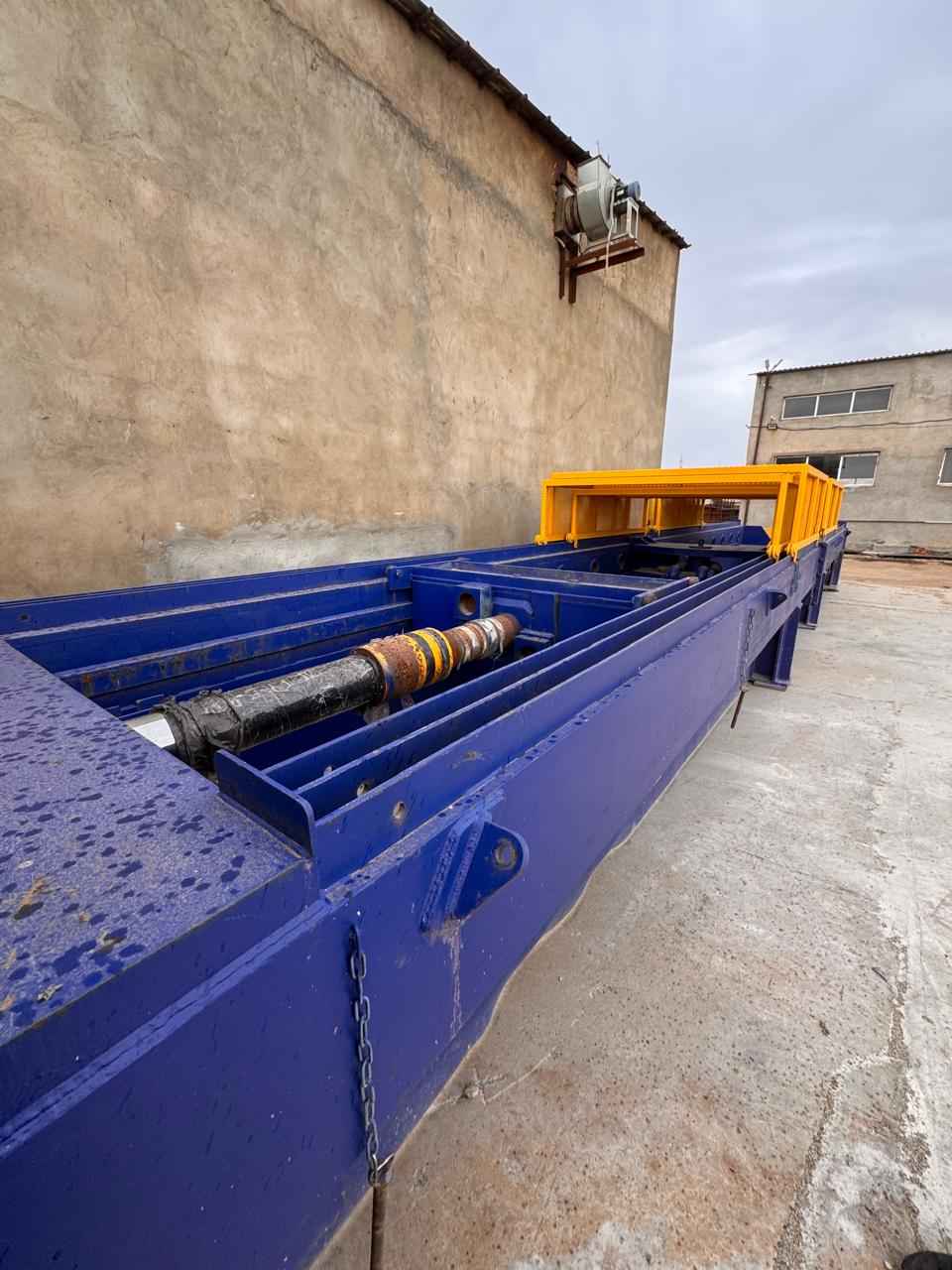
For slings, spreader beams and compatible lifting accessories. Review the item’s connections, required load, fixtures and reporting before agreeing a test programme.
Discuss load testing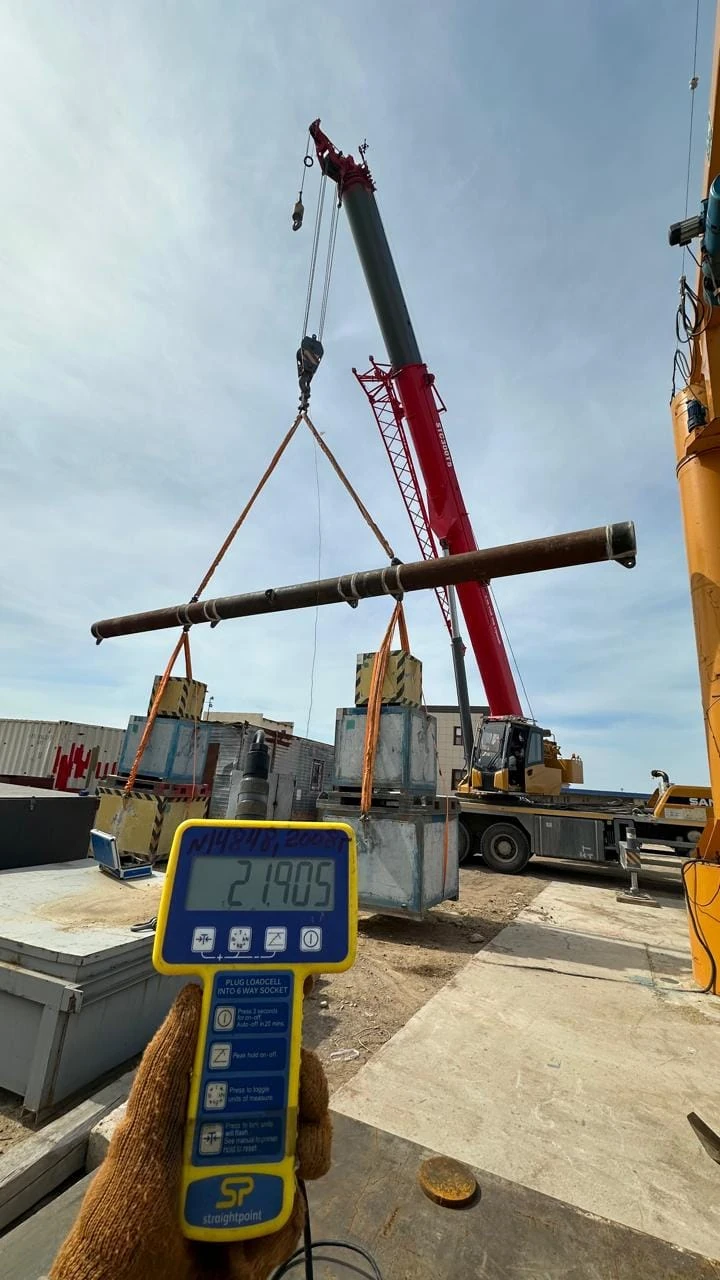
For a defined crane configuration and test arrangement. Send the crane model, load chart, working radius where applicable, site conditions and the purpose of the test.
View crane testing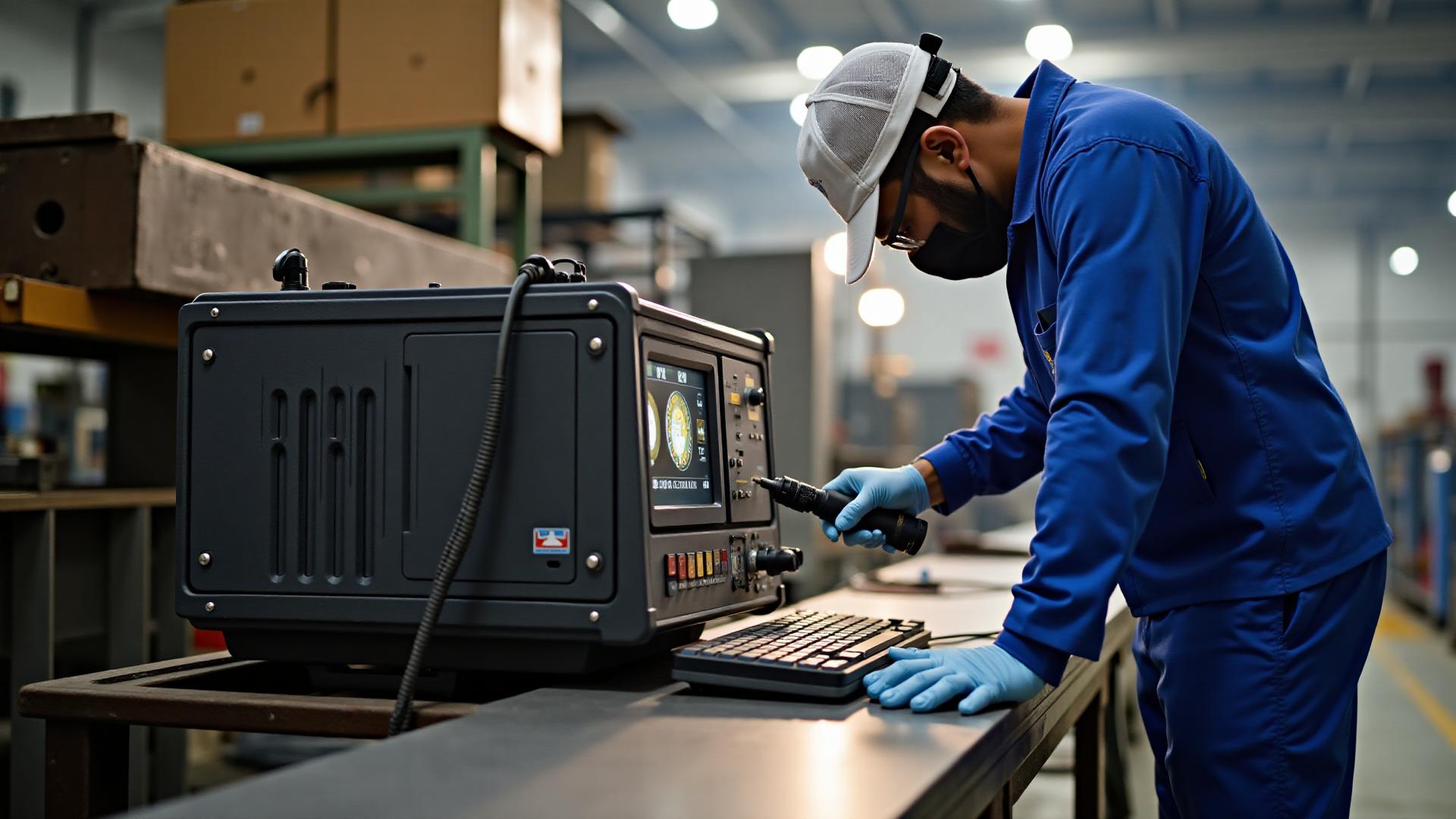
For agreed welds, components or areas requiring further examination. The method, material, surface preparation, access and acceptance criteria are reviewed for the enquiry.
Explore NDT inspection
For accessible derrick structures, joints, fastenings, ladders and platforms. Identify the rig, priority areas, repair history and access arrangements before mobilisation.
View derrick inspection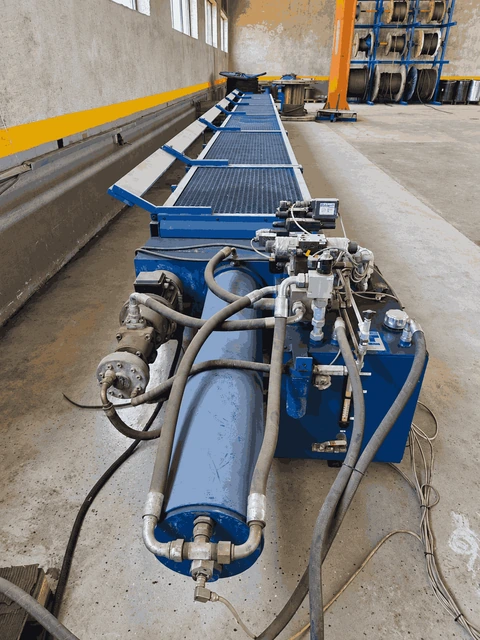
Review wire rope or sling specimens, end terminations, connection geometry and the test objective. See the Talurit test bed and information needed to assess a testing request.
View wire rope testing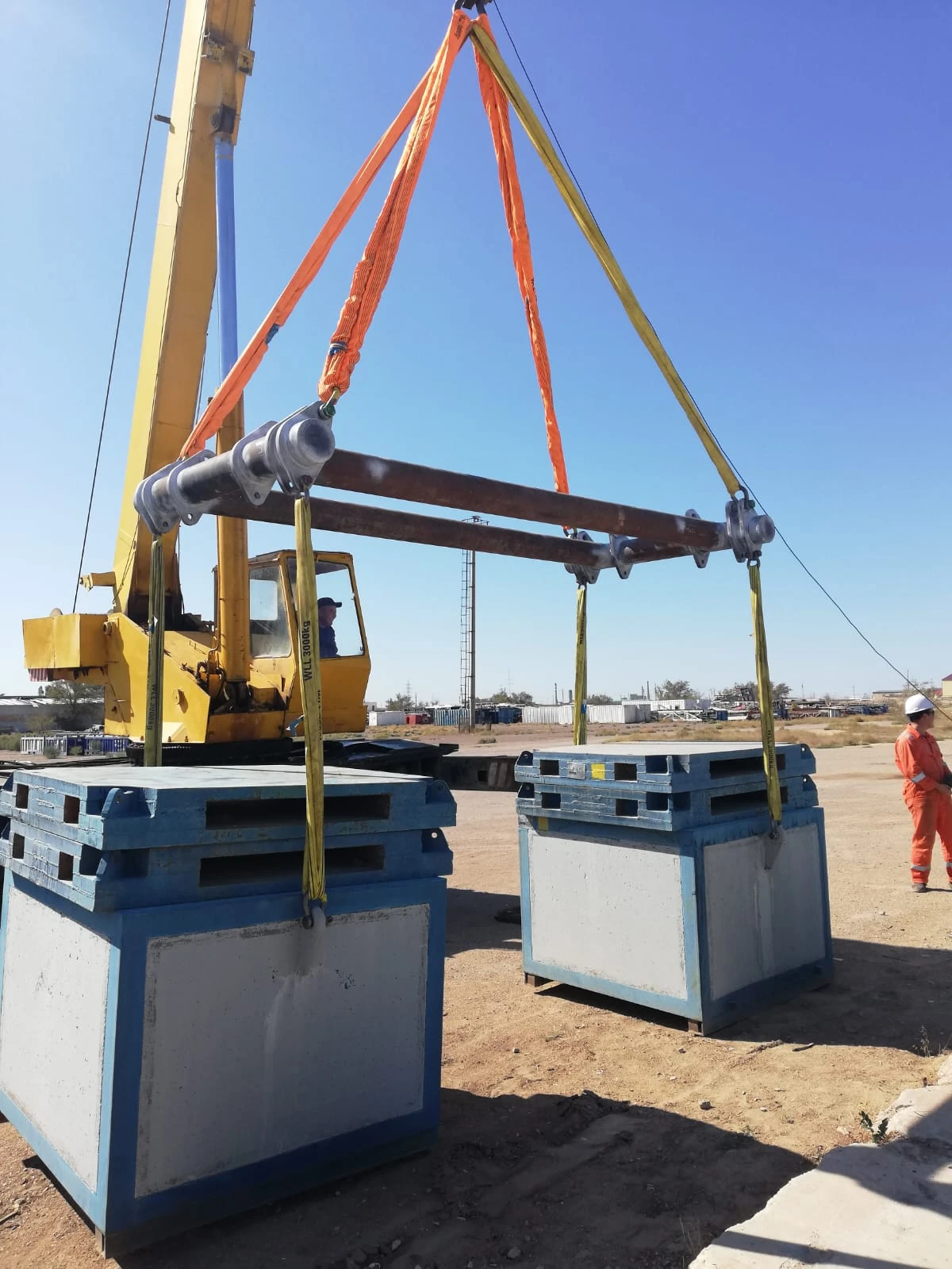
See a published 25-tonne spreader beam test arrangement. Use the project photographs to discuss lifting points, load distribution and the preparation needed for your own beam.
See the test projectThe purpose of the work determines the evidence required. Share your customer specification, equipment documents and any previous findings so the inspection and testing programme can be defined.
| Service | Main focus | Details to send |
|---|---|---|
| Lifting equipment inspection | Identification, accessible condition, completeness and recorded observations. | Equipment register, markings, photographs, history and reporting needs. |
| Non-destructive testing | Examination of specified areas using an agreed method and criteria. | Material, drawing, suspected area, surface condition and access. |
| Load testing | Behaviour or condition under the load and configuration defined by a test programme. | Rated capacity, connection geometry, test objective and applicable documents. |
NDT and load testing are scoped separately when required; they are not automatically included in every lifting gear inspection.
We clarify the purpose, location and equipment access.
We check types, quantities, markings and available records.
We agree the criteria, access limits and reporting format.
You make the items and agreed documents available.
We examine accessible parts and record findings by item.
We provide the agreed records and supporting material.
We agree the information required and can review your reporting template in advance. The agreed deliverables may include:
Tell us how the report will be used: for an equipment register, a customer review or follow-up after repair. Agree the item identifiers, assessment criteria and decision responsibilities before the work starts.
A clear equipment list helps us review feasibility and prepare a quotation. For an on-site inspection, agree how the items will be made accessible and who will coordinate the work area.
We accept lifting equipment inspection enquiries from Aktau, Atyrau, Uralsk, Kyzylorda, Almaty and Astana, including industrial, construction, marine and oil and gas projects. On-site availability, mobilisation and access requirements are confirmed for the specific location and scope.
Lifting.kz presents equipment supply and industrial inspection services from TestCom Group. Read about the company and review published company certificates and documents when preparing a supplier enquiry.
The agreed scope can cover identification, equipment records, visible condition and completeness of accessible components. The equipment type, purpose, available documents and access determine the actual checks and reporting.
Yes. Send one list with a separate row for each item or equipment group, quantities, available IDs and working load limit markings. We will review the checks and requirements for each group.
The interval needs to be established for the equipment and its use, taking account of applicable requirements, manufacturer instructions, operating conditions and previous findings. Send your existing schedule and documents when requesting the scope; this page does not set one interval for every item.
Not automatically. Where further testing is required, the objective, method, configuration, criteria and reporting are agreed as a separate part of the programme. Use the service cards above to review the available options.
Agreed deliverables may include an item list, findings, limitations and a report in the specified format, with photographs where included. Share your reporting template and intended use before the quotation is prepared.
The equipment types and quantities, site location, access, inspection scope, required records and preferred dates all help define the work. Send these details to confirm feasibility, mobilisation and the quotation.
Send your equipment list, quantities, photographs or records, location and reporting brief. We will review the request with you and agree the scope before confirming the quotation and schedule.
A clear enquiry helps establish the scope before mobilisation and reduces repeated information gathering on site. Start with three groups of information.
Group slings, hoists, hooks and rigging accessories. Include quantities, item identifiers, WLL markings and any available equipment records or previous reports.
Provide the address, equipment locations, work window and induction requirements. Identify cleaning, disassembly, access arrangements or site personnel needed before work starts.
State the objective: a planned review, examination after repair or a condition concern. Methods and criteria are agreed against the equipment documentation and work requirements.
Complete the template and include it in your email with marking photographs and available documents. Price on request once the scope is reviewed.